Speaking · Free lesson
Interrupt politely—and return the turn
A friend is explaining a group trip. You need to confirm the meeting time before the conversation moves on.
 Professor Scott Mendoza
The short answer
At a suitable pause, try “Sorry to interrupt—could I ask a quick question?” Keep the question brief. When it is answered, return the turn: “Thanks. Please go on.”
Enter briefly, then give the conversation back.
Could I asks for permission; it does not demand silence. A short apology acknowledges that someone else has the floor. Ask the relevant question once you have their attention, then let them finish. “Please go on” means they can continue speaking.
Compare the examples
Sorry to interrupt—could I ask a quick question?
Are we meeting at eight or nine?
Thanks. Please go on.
Can I ask something? can also be polite. The situation, timing, and tone matter; could is one useful choice, not a magic word. Could I + base verb forms the request: Could I ask a quick question?
Build the meaning step by step
Ask before taking the turn
Could I ask a quick question?
Close your interruption
Thanks. Please go on.
Try it now
Choose a useful interruption
Read all answers and explanations
You need one detail during a calm explanation. Ask politely for a moment.
Sorry to interrupt—could I ask a quick question?The request recognizes the other person’s turn. The commands take control instead of asking for a brief interruption.
Your question has been answered. Let your friend finish.
Thanks. Please go on.Please go on returns the turn. The other choices take over or stop the explanation.
Complete the request with the correct verb form.
Could I ask a quick question?After could, use the base form ask without to.
Put it into practice
Ask, then hand back the turn
You need the meeting time. Make a brief interruption and then let Alex continue.
- Alex
We’ll meet on Saturday, and then we’ll take the train to the coast.
See a model answer
- Alex
We’ll meet on Saturday, and then we’ll take the train to the coast.
- You
Sorry to interrupt—are we meeting at eight or nine?
- Alex
At eight. I was about to explain where.
- You
Thanks. Please go on.
A short interruption solves one immediate question. The closing phrase keeps the original explanation moving.
A little more clarity
Common questions
A few useful details before you move on.
Is sorry enough on its own?
It can attract attention, but add the question or request so the speaker knows why you interrupted. You do not need a long apology.
Sorry—could I check the address?
Should I always interrupt immediately?
No. Wait for a pause when possible. If the detail can wait until the speaker finishes, ask then. The phrase offers a way to interrupt when needed, not a reason to interrupt constantly.
Could I ask one question before we move on?
Take it into your day
Ask for a moment, ask your question, and return the turn.
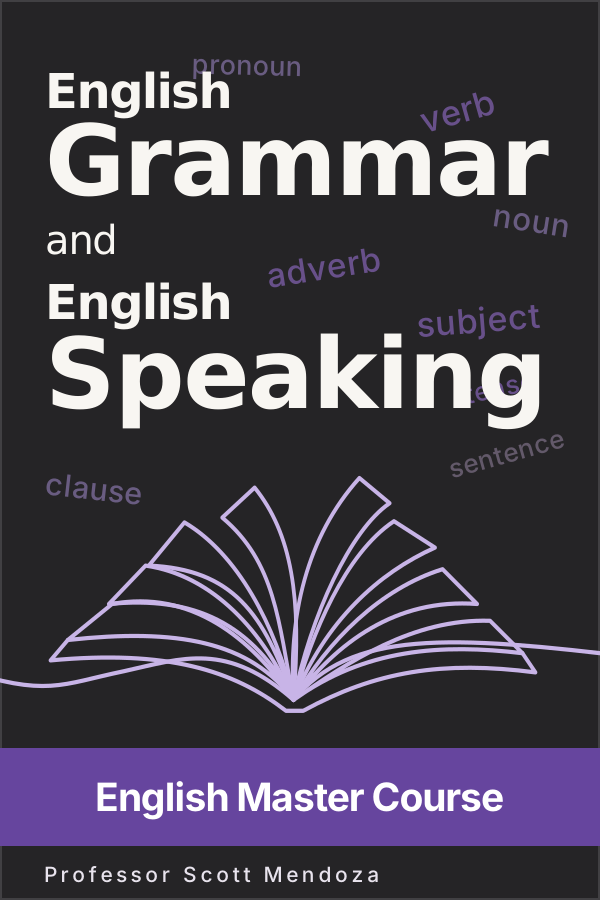
Your next step · Available on Udemy
Make everyday conversations easier.
The English Grammar and English Speaking Master Course develops broader conversation and sentence-building foundations. Build the language you need to ask questions clearly and participate in everyday exchanges.
Explore the course English Master Course: English Grammar and English Speaking