Speaking · Free lesson
Introduce two people
Leo and Maya are at your neighborhood event. You know both of them, but they have not met each other.
 Professor Scott Mendoza
The short answer
Address one person, then say “This is + name.” Add a short connection if useful: “We’re neighbors.” Include the other person’s name too, so neither is left guessing.
Give them a name and a way into the conversation.
“Leo, this is Maya” identifies the listener and the person being introduced. “Maya, this is Leo” completes the introduction in the other direction. A detail such as “We’re neighbors” explains your connection. One relevant detail is enough; a long biography is unnecessary.
Compare the examples
Leo, this is Maya.
Maya, this is Leo.
Maya and I are neighbors.
I’m Maya introduces yourself as Maya. This is Maya introduces another person. Keep the speaker and the person being introduced separate.
Build the meaning step by step
Use the names
Leo, this is Maya. Maya, this is Leo.
Give one useful detail
Maya and I are neighbors.
Try it now
Choose the introduction
Read all answers and explanations
You are Sam. Introduce Maya to Leo.
Leo, this is Maya.This is introduces Maya. I’m would give Sam the wrong name; the last choice repeats Maya instead of addressing Leo.
You and Maya live next door to each other. Add that connection.
We’re neighbors.Neighbors states the supplied connection without inventing a family relationship.
Leo now knows Maya’s name. Introduce Leo to Maya.
Maya, this is Leo.Address Maya and identify Leo. The second choice repeats the first direction rather than completing the other introduction.
Put it into practice
Make the connection
You are Sam. Maya is your neighbor. Introduce her to Leo, then explain how you know her.
- Leo
I don’t think I’ve met your friend.
See a model answer
- Leo
I don’t think I’ve met your friend.
- You
Leo, this is Maya.
- Leo
Hi, Maya! Sam, how do you know each other?
- You
Maya and I are neighbors.
Names establish who is who. The short connection gives Leo something useful to respond to.
A little more clarity
Common questions
A few useful details before you move on.
Must I repeat both names every time?
No. If both people already know the names, avoid unnecessary repetition. This pattern is useful when one or both are meeting for the first time.
Maya, this is Leo.
How much extra information should I add?
One relevant, comfortable-to-share detail is usually enough to start. Let the people choose what else to tell each other.
Leo and I take the same art class.
Take it into your day
Name the listener, introduce the other person, and add one relevant connection.
Your next step · Available on Udemy
Build confidence in everyday conversations.
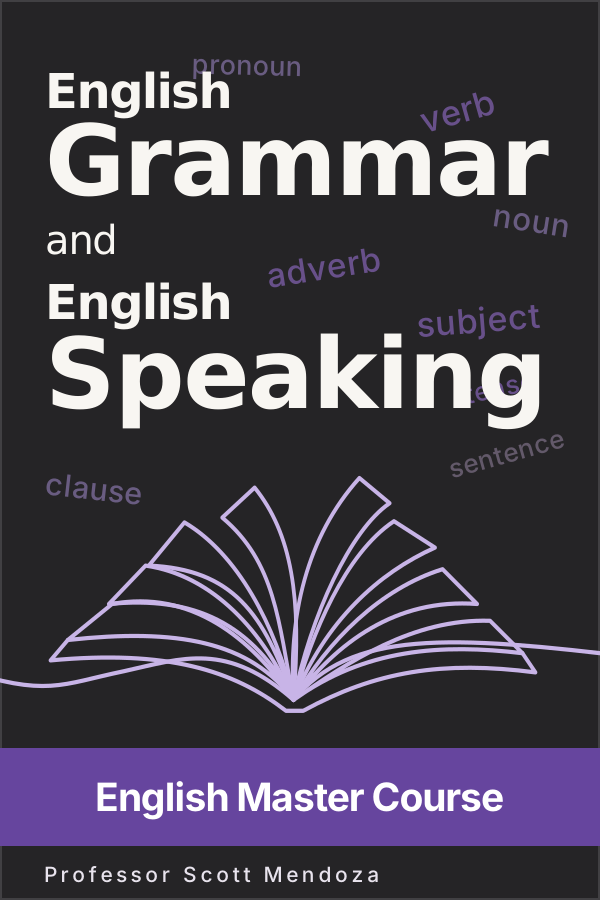
The English Grammar and English Speaking Master Course builds broader conversation and sentence-making foundations. Use that support to introduce people, explain connections, and keep everyday exchanges clear.
Explore the course English Master Course: English Grammar and English Speaking