Writing · Free lesson
Write a polite reminder with a clear action
Just checking in sounds friendly, but the reader may still have to search for your original request. A reminder can be both brief and complete.
 Professor Scott Mendoza
The short answer
Briefly identify the earlier request, then say what you still need: A quick reminder about Friday’s workshop: could you confirm your attendance by Wednesday? Use the agreed deadline, not a new urgent one you have invented.
Remind the reader of the task, not your frustration.
A quick reminder about names the subject. Could you confirm your attendance? names the action. By Wednesday gives the existing latest response time. If you have already received a reply, do not send an automatic reminder asking for it again. Check the conversation first.
Compare the examples
A quick reminder about Friday’s workshop:
Could you confirm your attendance by Wednesday?
I need the final number to reserve the room.
You have ignored my email claims a motive you may not know. You can state that you still need confirmation without making that accusation.
Build the meaning step by step
Reconnect to the topic
A quick reminder about Friday’s workshop:
State the pending action
could you confirm your attendance
Keep the established deadline
by Wednesday?
Try it now
Keep the reminder clear and accurate
Read all answers and explanations
You need a yes/no attendance answer. Which request names that action?
Could you confirm your attendance?Confirm your attendance asks for the needed answer. Slides are a different task; take another look is unclear.
Wednesday is still the agreed deadline. Which reminder preserves it?
Could you confirm by Wednesday?By Wednesday keeps the real deadline. Immediately adds urgency; Friday changes the date.
You do not know why no reply has arrived. Which line avoids assuming a motive?
I’m following up on the attendance confirmation.Following up describes your action. The other lines assert a decision or motive without evidence.
Put it into practice
Turn a vague nudge into a useful reminder
Mina was asked to choose a meal for Thursday’s event by Tuesday. Keep both dates and ask for the meal choice.
Hi Mina, just checking in. Please reply soon.
See a model answer
Hi Mina, a quick reminder about Thursday’s event: could you send your meal choice by Tuesday?
A reminder is useful when the reader can complete the requested action from this message alone.
A little more clarity
Common questions
A few useful details before you move on.
Must I say just to sound polite?
No. A friendly greeting and a clear Could you request can be polite without it. Just does not replace the task details.
Hi Leo, could you confirm the time by Monday?
What if the original deadline has passed?
State the situation accurately and ask what is possible now. Do not write a past deadline as though the reader could still meet it.
The original deadline was Monday. Could you let me know when you can send the form?
Take it into your day
A useful reminder restores context, asks for one action, and keeps the facts accurate.
Your next step · Available on Udemy
Make your requests easier to understand.
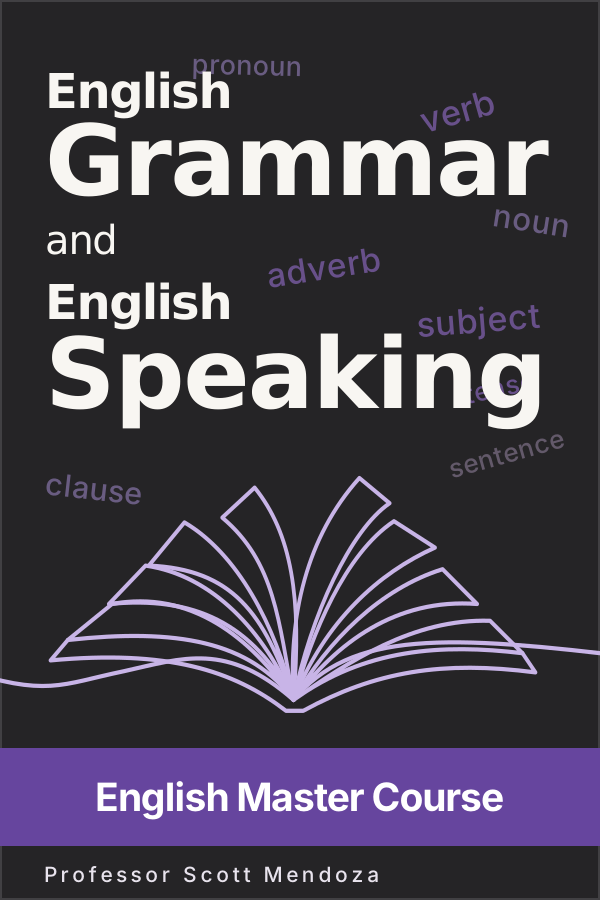
Clear requests rely on grammar, sentence-building and everyday communication. The available English Grammar and English Speaking Master Course develops those broader foundations beyond this single reminder.
Explore the course English Master Course: English Grammar and English Speaking