Vocabulary · Free lesson
TOEFL word completion: recognize negative un-
The instructions left everyone confused. They were un_____. The meaning points toward unclear, and the visible letters agree.
 Professor Scott Mendoza
The short answer
In unclear, un- means not: unclear means not clear. But do not add un- to every adjective. The correct negative form of possible is impossible.
Meaning first, then check the word.
Some familiar adjectives form an opposite with un-: clear → unclear, fair → unfair, usual → unusual. Read the surrounding idea before completing the word. Then check the remaining letters and spelling. Prefixes are clues, not permission to invent a word.
Compare the examples
unclear = not clear
The same rule applied to everyone, so it was fair.
possible → impossible
Not every word starting with un has this negative prefix: under is a separate word.
Build the meaning step by step
Read the clue
Nobody understood the instructions.
Check all letters
un + clear = unclear
Try it now
Check meaning and spelling
Read all answers and explanations
“Nobody understood the instructions. They were un_____.” Choose the word.
unclearUnclear is the adjective after were and matches the lack of understanding.
“Snow is very rare here in May. This weather is un_____.”
unusualUnusual means not usual; unusually is an adverb and does not complete is alone here.
Which is the established word for not possible?
impossiblePossible takes im- in impossible, not un-.
Put it into practice
Repair the context mismatch
Only one student was allowed to use notes, although everyone took the same test. Choose the sentence that expresses unequal treatment.
The rule was fair.
See a model answer
The rule was unfair.
The context supplies the negative meaning; the established word supplies the correct prefix.
A little more clarity
Common questions
A few useful details before you move on.
Does un- always mean not?
No. With some verbs it expresses reversal, as in untie. This lesson focuses on negative adjectives, and each completed word still needs checking.
tie → untie
Can I add un- to every adjective?
No. English words use different negative forms, and some need a different expression. Check the actual word and context rather than inventing an un- form.
The seat was uncomfortable.
Take it into your day
Use un- as a clue, not a rule for every adjective.
Your next step · Available on Udemy
Build the English foundations behind this skill.
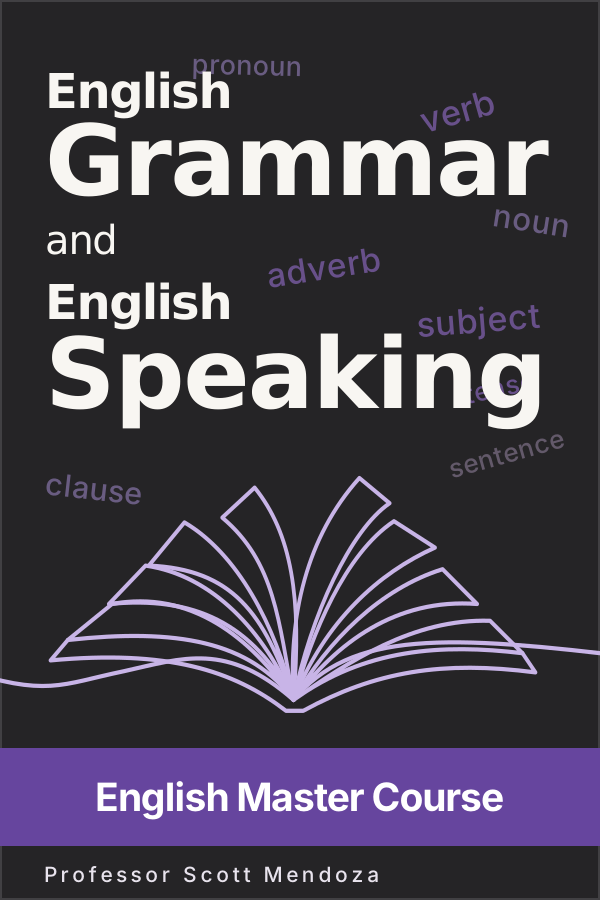
The English Grammar and English Speaking Master Course develops broader grammar, sentence-building, and communication foundations. Word structure and sentence meaning work together when you read. The dedicated exam course is coming soon; the available main course is not a complete exam-preparation program.
Explore the course English Master Course: English Grammar and English Speaking