Vocabulary · Free lesson
TOEFL reading: what happened first?
A sentence can begin with an event that happened later. Reading from left to right is not the same as building a timeline.
 Professor Scott Mendoza
The short answer
“Before the museum opened, staff checked the lights” means the light check happened first. Follow the time connector, not the order in which the events appear on the page.
Find both events, then use the connector to order them.
In “A happened before B,” A is earlier. In “A happened after B,” B is earlier. Moving the before- or after-clause to the front does not reverse that relationship. In a longer passage, connect only the order the text actually establishes. Do not invent a time or a reason.
Compare the examples
Staff checked the lights before the museum opened.
Before the museum opened, staff checked the lights.
Visitors entered after the museum opened.
Before does not mean “the first event mentioned.” The event immediately after before is the later reference event in these examples.
Build the meaning step by step
Find the reference event
before the museum opened
Find the earlier action
staff checked the lights
Order the events
light check → opening
Try it now
Recover the timeline
Read all answers and explanations
Before the museum opened, staff checked the lights. What happened first?
Staff checked the lights.The check happened before opening, even though opening is mentioned first.
The guide arrived after the doors opened. What happened first?
The doors opened.After places the guide’s arrival later. The sentence does not say who opened the doors.
Which sentence preserves this order: lights checked → museum opened?
The museum opened after staff checked the lights.Opening after the check keeps the stated order. Both other options reverse it.
Put it into practice
Repair a timeline summary
Text: “Before the museum opened, staff checked the lights. The guide arrived after the doors opened.” Here, opening the museum and opening the doors describe the same event. Preserve all three events.
The museum opened, then staff checked the lights, and finally the guide arrived.
See a model answer
Staff checked the lights, then the museum opened, and finally the guide arrived.
A correct summary preserves the time relationships, even when it rearranges the original clauses.
A little more clarity
Common questions
A few useful details before you move on.
Does moving after to the front change the order?
No. Keep the event attached to after with it. The relationship stays the same.
After the doors opened, the guide arrived.
Does after also prove why something happened?
No. It establishes time order. A reason needs separate evidence in the passage.
The guide arrived after the doors opened.
Take it into your day
The connector establishes the timeline; position on the page does not.
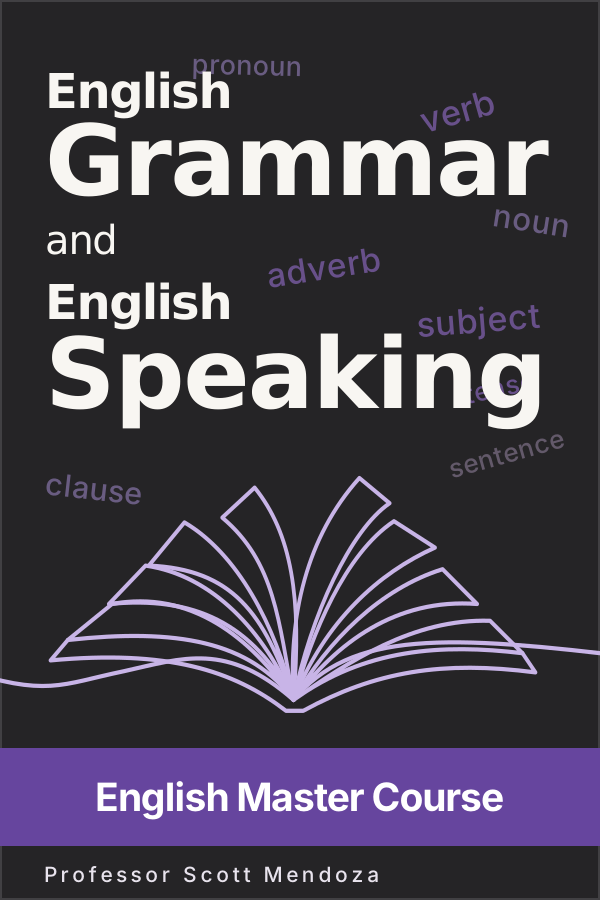
Your next step · Available on Udemy
Build the English foundations behind this skill.
The English Grammar and English Speaking Master Course develops broader grammar, sentence-building, and communication foundations. Understanding connected clauses helps you follow a passage’s timeline. The dedicated exam course is coming soon; the available main course is not a complete exam-preparation program.
Explore the course English Master Course: English Grammar and English Speaking