Grammar · Free lesson
Will or going to: when did you decide?
Your friend needs a ride. You decide to help as you hear the request. Tomorrow’s planned trip is a different kind of decision.
 Professor Scott Mendoza
The short answer
Will + base verb often announces a decision made now: “I’ll call.” Am/is/are going to + base verb often presents an earlier intention: “I’m going to call.” This is a useful contrast, not a rule that bans other future uses.
Show whether the intention is new or already in place.
“I’ll drive you” can announce a fresh offer. “I’m going to drive to the coast tomorrow” presents an existing intention. I’ll means I will. Keep the base verb after will and after going to. Going to also needs am, is, or are.
Compare the examples
You need a ride? I’ll drive you.
I decided yesterday. I’m going to drive to the coast tomorrow.
We’re going to leave before breakfast.
A sentence can be grammatical but emphasize a different aspect of the future. Read the situation and the speaker’s focus, not only the time word tomorrow.
Build the meaning step by step
Decide now
I know! I’ll ask Nina.
Report your existing intention
I’m going to ask Nina after work.
Try it now
Decision and form
Read all answers and explanations
You have just decided to offer help. Choose the complete will sentence.
I’ll help you.Will takes help, the base form, without to. This sentence can announce the new offer.
Complete the earlier intention: We ___ going to visit the coast tomorrow.
areWe takes are in be going to. Will going to is not this pattern.
Which sentence explicitly tells you the decision existed before now?
I decided last night. I’m going to call Ana.Decided last night supplies the timing; going to presents that intention. The other sentences describe a new decision or uncertainty.
Put it into practice
Keep the earlier plan
You decided yesterday to cook tonight. Repair the missing word while keeping going to.
I going to cook tonight.
See a model answer
I am going to cook tonight.
The edit repairs the form; the already-decided plan stays the same.
A little more clarity
Common questions
A few useful details before you move on.
Is will always wrong for something planned?
No. Will can make a promise, prediction, or statement about the future. The contrast here helps you choose what to emphasize; it is not a ban on every other use.
I’ll be there, as promised.
Should I write gonna in a normal course exercise?
Use going to in these written exercises. Gonna represents an informal spoken reduction and does not replace every use of the words going to.
I’m going to cook tonight.
Take it into your day
A decision now often uses I’ll. An existing intention often uses I’m going to. Keep the whole verb pattern.
Your next step · Available on Udemy
Build confidence with future sentences.
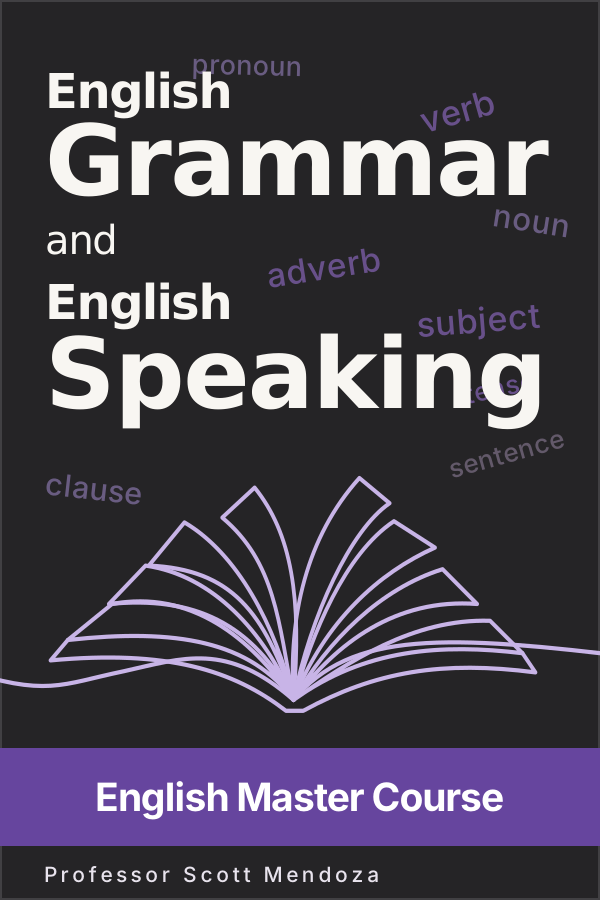
The English Grammar and English Speaking Master Course covers future tense and broader sentence-building foundations. Practice connecting grammar with the meaning you want to communicate.
Explore the course English Master Course: English Grammar and English Speaking