Phrasal verbs · Free lesson
Sit out a round: choose not to take part
Your friends are starting another game. You want a short break but plan to keep watching. You can tell them which round you will miss.
 Professor Scott Mendoza
Meaning in this lesson
sit something out
Not take part in the activity or period that you name.
Example
“I’ll sit out this round.”
I will not participate in this round.
The short answer
“I’ll sit out this round” means you will not take part in that round. You can also say “I’ll sit this round out.” With it, say “I’ll sit it out.” This is about participation, not sitting outdoors.
Name the part you are not participating in.
Sit out takes an activity or a period: sit out a game, a dance, or the next round. A noun can go after out or between sit and out. A short pronoun goes between: sit it out, not sit out it. The past is sat out. If you intend to rejoin later, add that separately: “I’ll join the next round.”
Compare the examples
I’ll sit out the next game.
I’ll sit the next game out.
That round was difficult, so I sat it out.
Both noun positions work. It must go between sat and out in the final example.
Build the meaning step by step
State your choice
I’ll sit out
Bound the absence
this round.
Add a return plan if intended
I’ll join the next one.
Try it now
Say which activity you will miss
Read all answers and explanations
“I’ll sit out this round.” What does the speaker clearly state?
I will not take part in this round.The named round is the participation limit. Neither leaving permanently nor moving outdoors is stated.
Replace the next game with it: “I’ll sit out the next game.”
I’ll sit it out.The pronoun goes between the verb and particle: sit it out.
Which sentence uses the correct past form?
I sat out the final round.Sit becomes sat. Sitted is not the past form, and set is a different verb.
Put it into practice
Take one round off
You are tired and want to watch this round, then play the next one. Tell Ben your plan without saying you are leaving.
- Ben
Are you playing this round?
See a model answer
- Ben
Are you playing this round?
- You
I’ll sit this round out.
- Ben
Okay. Are you leaving now?
- You
No, I’ll watch this round and join the next one.
- Ben
Great. We’ll see you in the next round.
Both sit out this round and sit this round out work. The final reply adds the return plan instead of assuming that sit out already promises one.
A little more clarity
Common questions
A few useful details before you move on.
Does sit out mean sit outside?
Not in this activity sense. You might remain beside the game without participating. Use sit outside when you mean the physical location outdoors.
I’ll stay here and sit this game out.
Does it promise I will play next time?
No. Naming one round limits what you are saying about this round. If you intend to return, state that plan separately.
I’ll sit out this round, but I’ll join the next one.
Take it into your day
Sit out the round. Sit the round out. Sit it out.
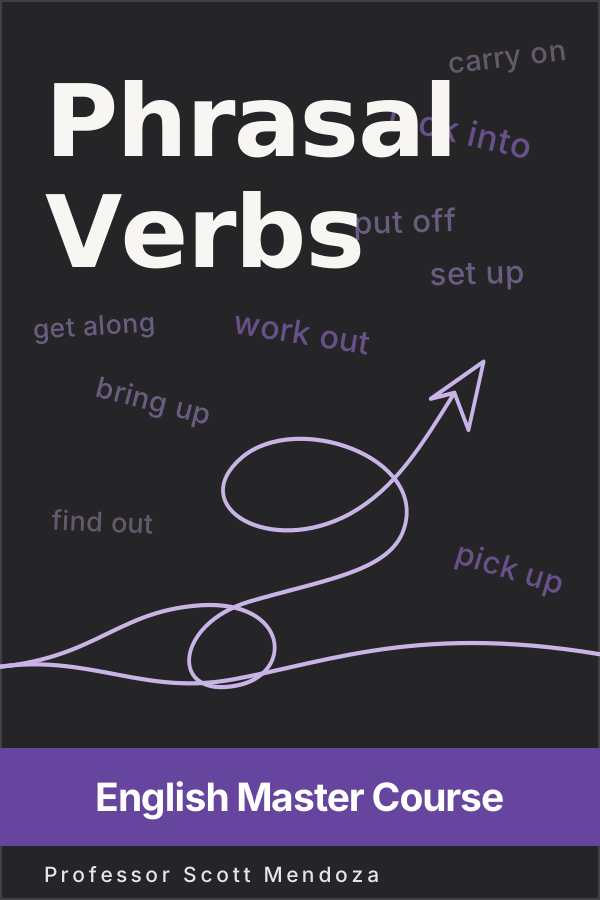
Your next step · Available on Udemy
Learn 350+ useful phrasal verbs for real situations.
The Phrasal Verbs course includes sit out for not participating in an activity. Continue building a wider set of everyday expressions, with context and practice beyond this single point.
Explore the course English Master Course: Phrasal Verbs