Grammar · Free lesson
TOEIC grammar practice: each employee has
A rule can apply to twenty visitors while its grammatical subject is singular. Focus on how the subject is built, not how many people the rule covers.
 Professor Scott Mendoza
The short answer
Say each employee has and every visitor needs. When each or every directly introduces a countable noun in this pattern, use a singular noun. That whole subject takes a singular verb: Every visitor needs a badge.
Each person is singular; all the people are plural.
Each employee identifies people one at a time. Every employee includes all members through the same singular noun pattern. With these subjects, use has, is or a present-tense verb such as needs. Do not add an -s to employee. In Every employee needs access, the -s belongs on needs, not on employee.
Compare the examples
Each visitor has a badge.
Every visitor needs a badge.
The visitors each have a badge.
In The visitors each have a badge, visitors is the plural subject and each adds an individual meaning. Do not change have to has just because you see each somewhere in the sentence.
Build the meaning step by step
Find the complete subject
Every visitor
Keep the noun singular
visitor
Choose the singular verb
Every visitor needs a badge.
Try it now
Check the noun and the verb
Read all answers and explanations
Complete: Every ___ needs a pass.
visitorEvery directly introduces the singular count noun visitor. No plural or possessive form is needed.
Complete: Each delivery ___ a tracking number.
hasEach delivery is singular, so use has. Have is the plural/base form; are does not fit the meaning.
Complete: The employees each ___ a locker.
haveThe employees is the plural subject. Each does not turn it into a singular subject.
Build it yourself
Build a rule for every visitor
Use all four pieces to say that every visitor needs a badge.
Choose the pieces in sentence order. Select a piece again to move it back.
Your rule
0 of 4 piecesYour chosen pieces will appear here.
See a model answer
Every visitor needs a badge.
Every visitor is singular. Needs matches it, and a badge completes the meaning.
A little more clarity
Common questions
A few useful details before you move on.
Why singular if there are many employees?
The meaning covers a group, but each employee and every employee use a singular noun structure. Agreement follows that grammatical subject.
Every employee has an ID card.
Can I say each of the employees?
Yes. Use the plural group after of the, but normally a singular verb in standard written English. This is different from The employees each have.
Each of the employees has an ID card.
Take it into your day
Match the verb to the subject’s structure, not to the idea of many people.
Your next step · Available on Udemy
Build the English foundations behind this skill.
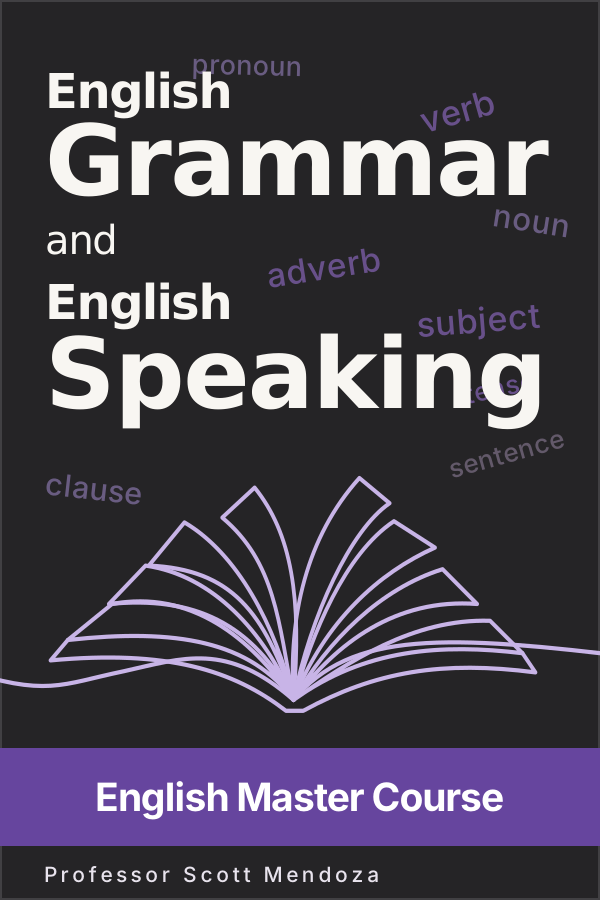
The English Grammar and English Speaking Master Course develops broader grammar, sentence-building, and communication foundations. Subject–verb agreement helps you build accurate workplace sentences. The dedicated exam course is coming soon; the available main course is not a complete exam-preparation program.
Explore the course English Master Course: English Grammar and English Speaking